
What Singapore Told Us About Where Philippine Data Centers Are Headed
Two days at Data Centre World Asia 2026, Marina Bay Sands, part of Tech Week Singapore. Our team walked the floor, sat in on sessions, and talked to a lot of people, including several clients from home who made the trip. And almost every conversation circled back to the same place: what does this mean for facilities in the Philippines?
Here's what we took away, and why we think it matters for anyone running or planning infrastructure back home.
Singapore wrote a cooling standard for weather we already have
AI workloads keep pushing rack density higher, and cooling has had to keep up. Singapore just released a liquid cooling standard built specifically for tropical climates, which is the part that caught our attention.
Most cooling guidance assumes temperate conditions. It's written for places that aren't humid for ten months of the year. A standard designed around heat and humidity actually applies to us, maybe more directly than it does to Singapore itself. We're the exclusive distributor of Stulz in the Philippines, and we'll be watching how this standard gets adopted, because it's likely to become the benchmark for what "properly cooled" looks like here too.
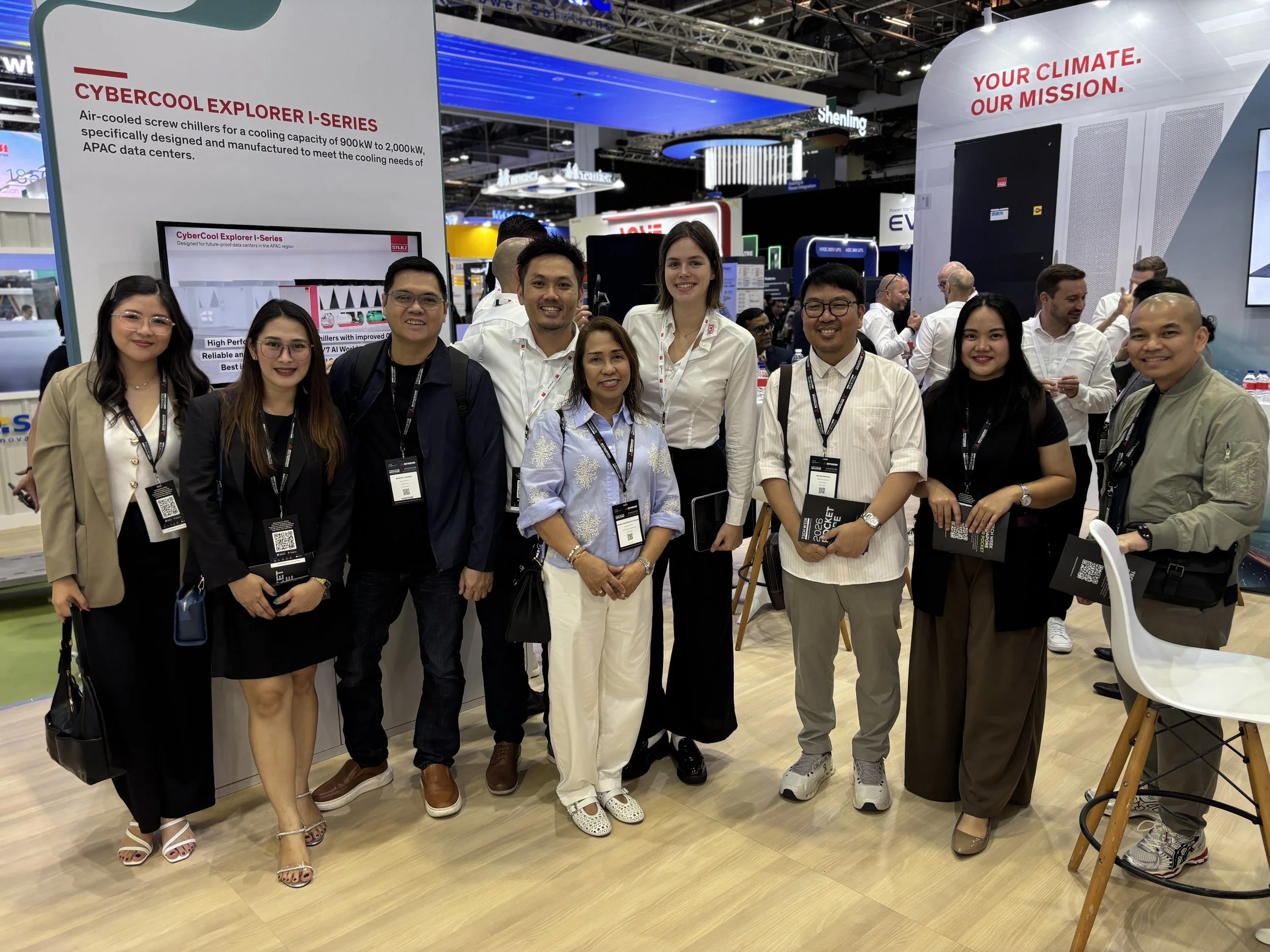
Touchcore Team with Stulz at the Data Centre World Singapore last September 2026.
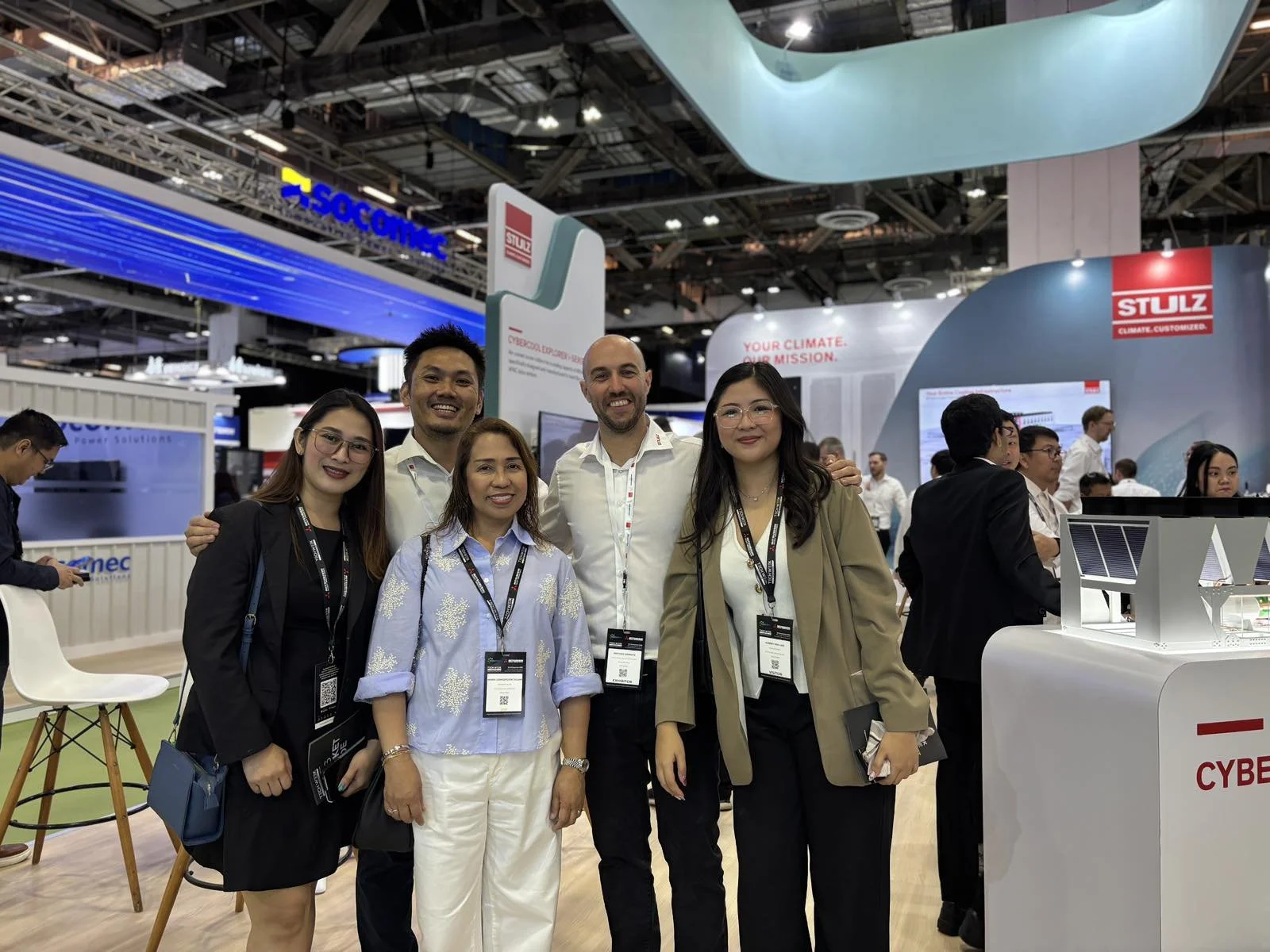
Touchcore Team with Stulz during the Data Centre World Singapore, September 2026
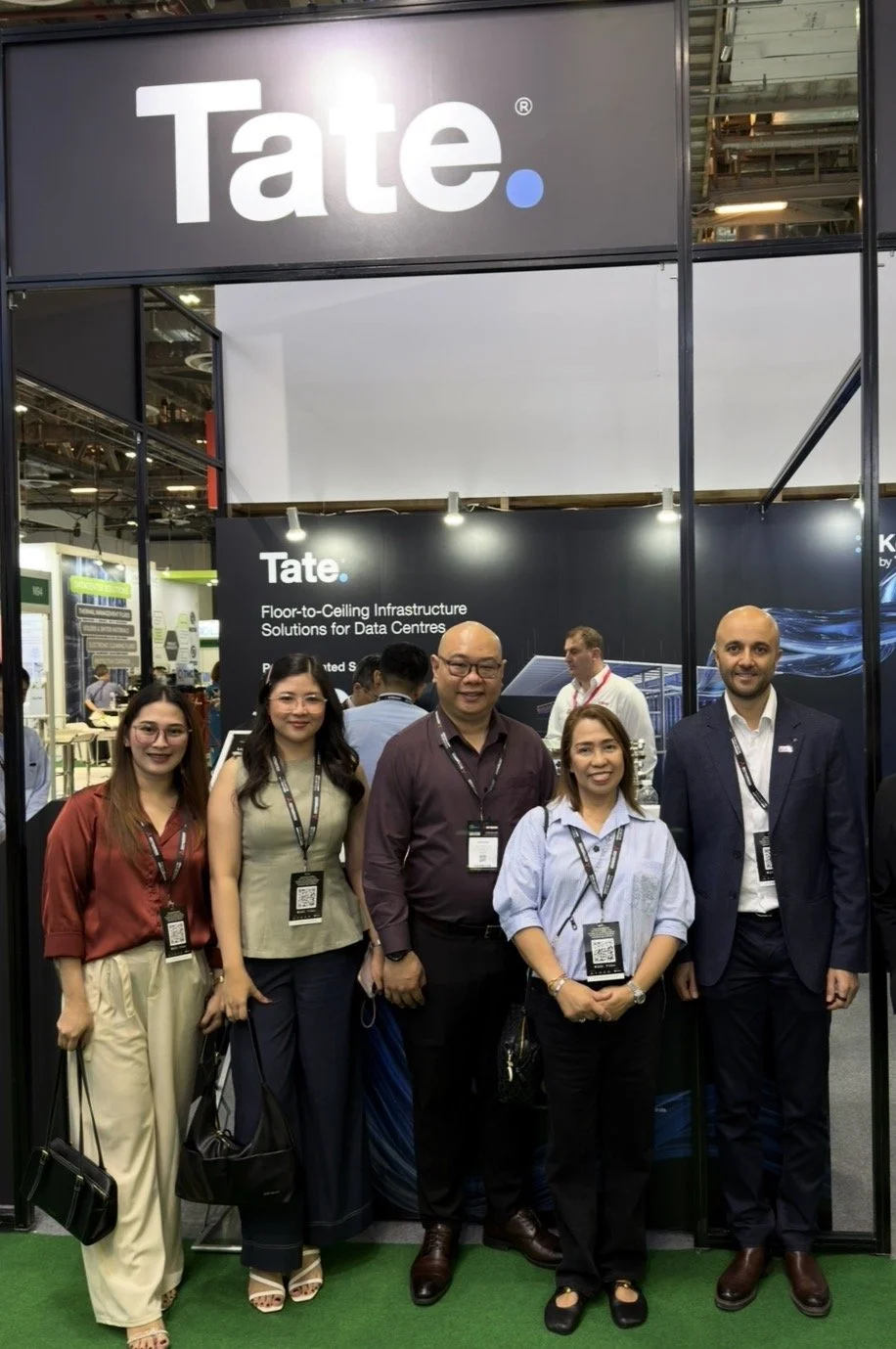
Touchcore Team with Tate at the Data Centre World Singapore, September 2026
The power problem isn't theoretical for us
In Singapore, rising demand from AI infrastructure is something facilities are planning around. Here, we're already dealing with a strained grid, just from a different direction. The Philippines declared a national energy emergency earlier this year after Middle East supply disruptions hit fuel imports, and wholesale electricity prices spiked sharply in several regions as a result.
The cause is different, but the effect on anyone running a facility is the same. If you're responsible for keeping a facility running, that's not a headline you can file away. When the grid is under this much strain, for whatever reason, the equipment standing between that grid and your servers matters more, not less. Power reliability has to be part of the design conversation from the start, not something you bolt on after the cooling and capacity decisions are made.
This is exactly why UPS efficiency is worth a second look
A more efficient UPS unit doesn't just look better on a spec sheet. It saves real money, every year, for as long as it's running. In a market where power costs are already climbing, that math matters more than usual.
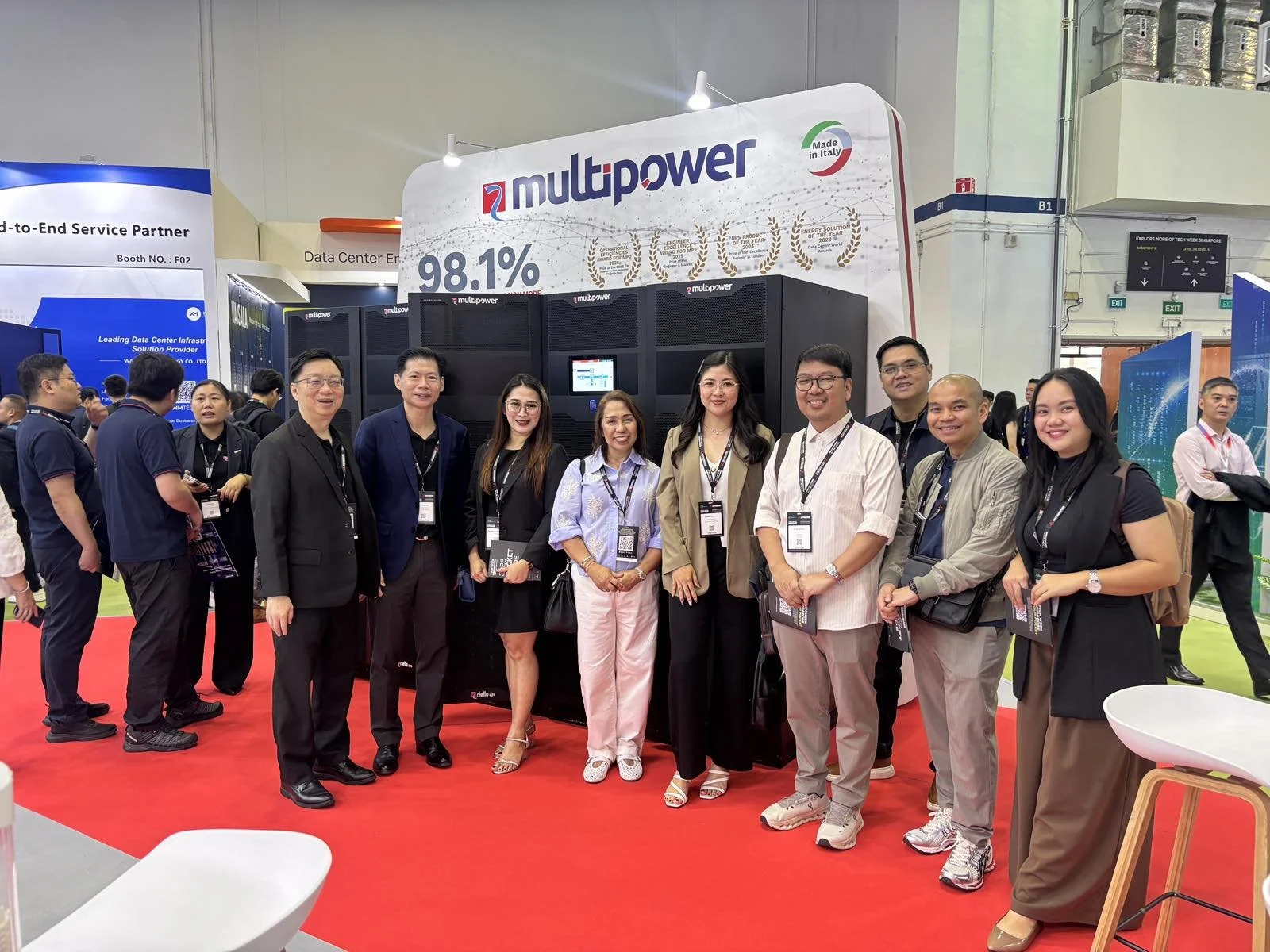
Touchcore Team at the Riello UPS booth last September 2026 during the Data Centre World Singapore.
We're a preferred distributor of Riello UPS in the Philippines, so this comes up in almost every client conversation we have. If it's been a while since your current setup was checked against what's available now, it's worth doing before your next budget cycle rather than after.
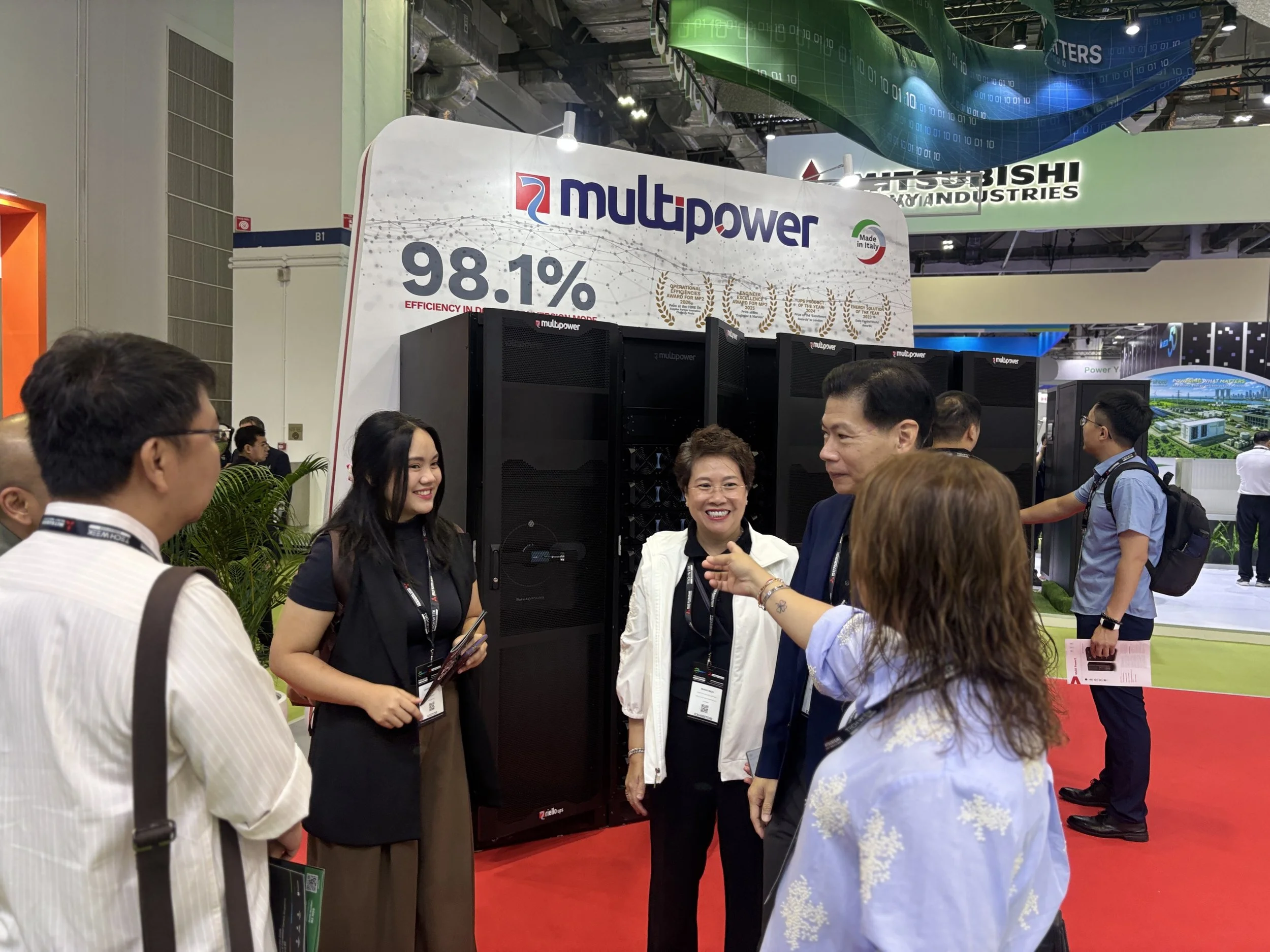
Riello UPS
Partnerships, up close
A couple of weeks before Singapore, we co-hosted the Belimo Product Update back home, an evening focused on the same problem: keeping systems cool and efficient as demand keeps rising. Adrian Wu from Belimo ran a session that was genuinely useful, not just a sales pitch. Our President, Ms. Con Julian, said it best that night: strong partnerships and solving real client problems are what we care about most. We tried to carry that same spirit to Singapore.
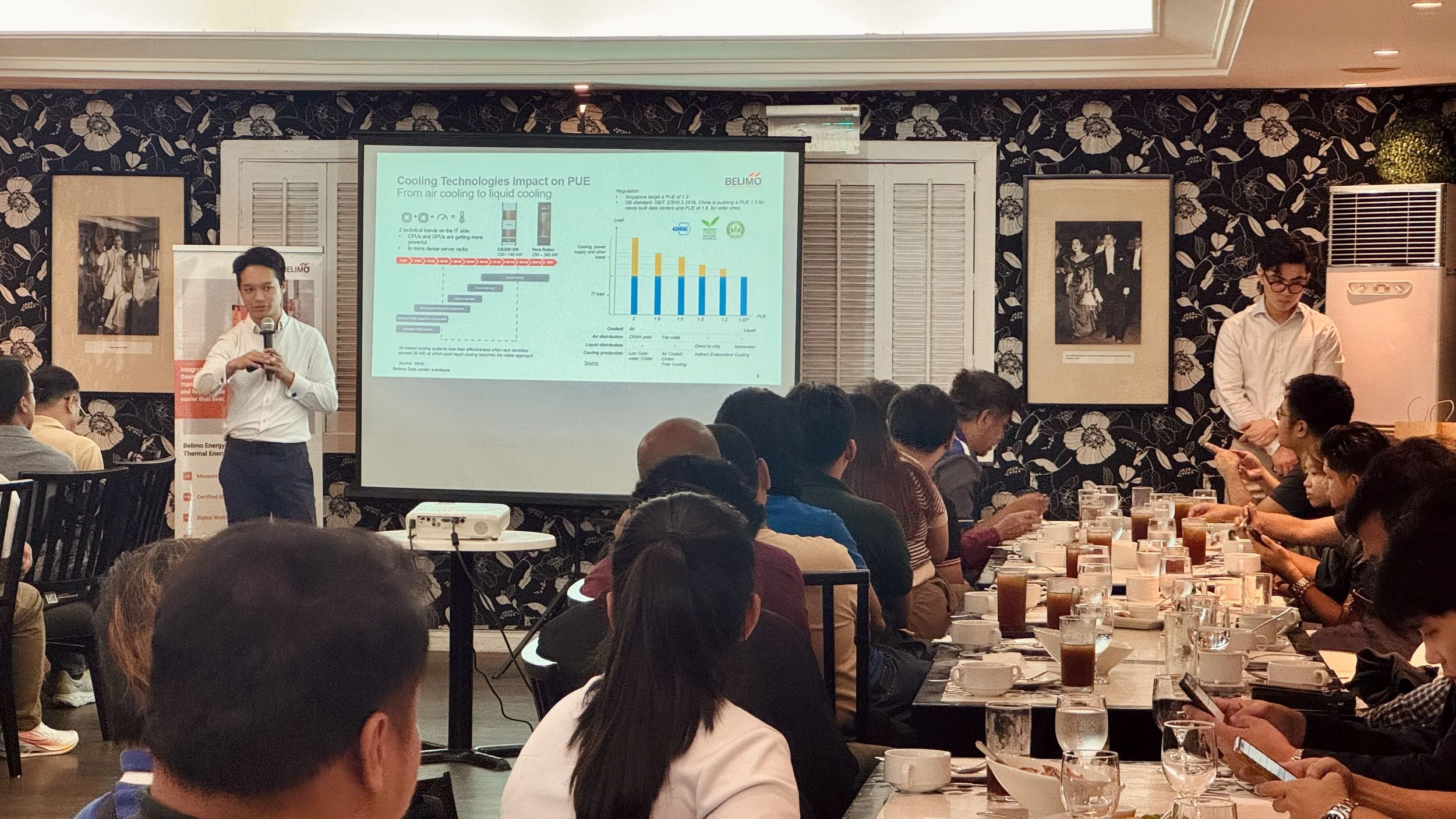
Adrian Wu from Belimo sharing Cooling Technologies for Data Centers
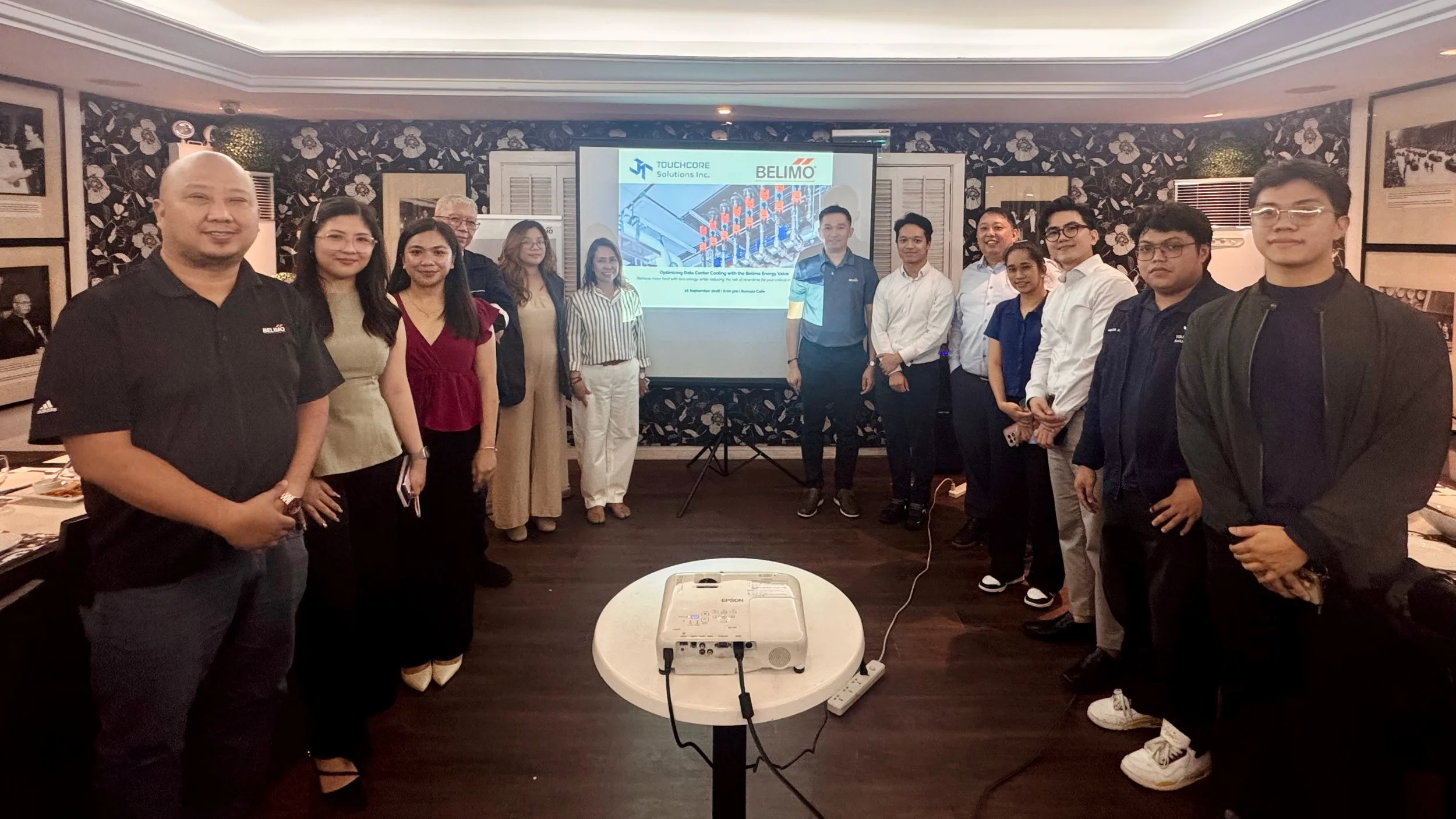
Belimo Product Update with Touchcore team at Romulo Cafe, Makati last September 2026
The conversations that mattered most
Honestly, the best part of the two days wasn't the booth or the sessions. It was catching up with clients from the Philippines and hearing what's actually happening on their end: what they're weighing, what's keeping them up at night, what they haven't figured out yet. That's really why we go to these things. Not to hand out brochures, but to listen and find where we can actually be useful.
So where does that leave you
Strip away the conference talk and it comes down to this: is your facility built for the conditions it's actually operating in? Tropical heat, a strained grid, and workloads that keep getting heavier. Getting the cooling right, the power protection right, and having the right partner behind both of those decisions is what separates infrastructure that holds up from infrastructure that just gets by.
If any of that sounds familiar, let's talk. Reach out to our sales team and we'll walk through what effective infrastructure actually looks like for your specific setup.